
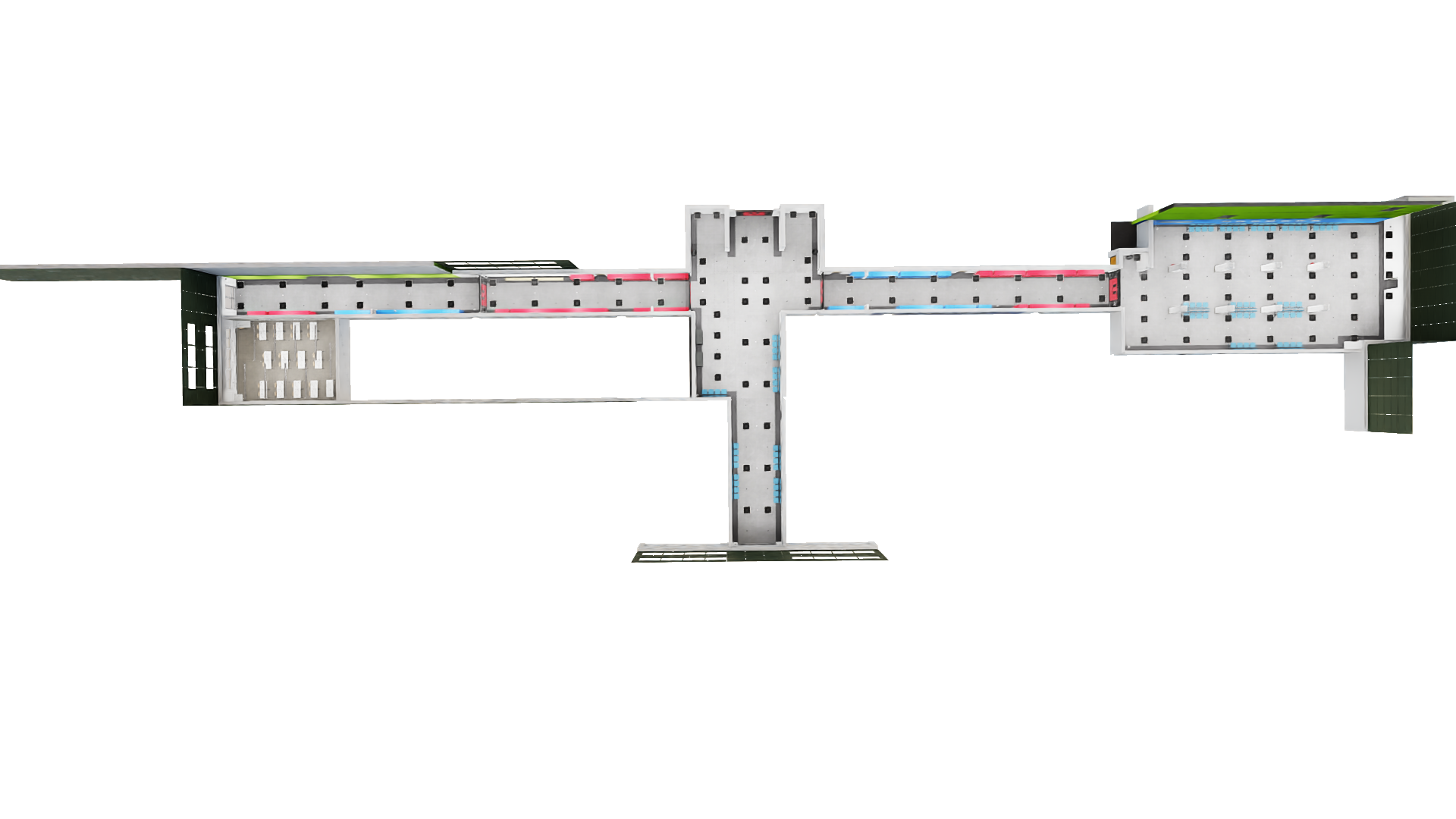
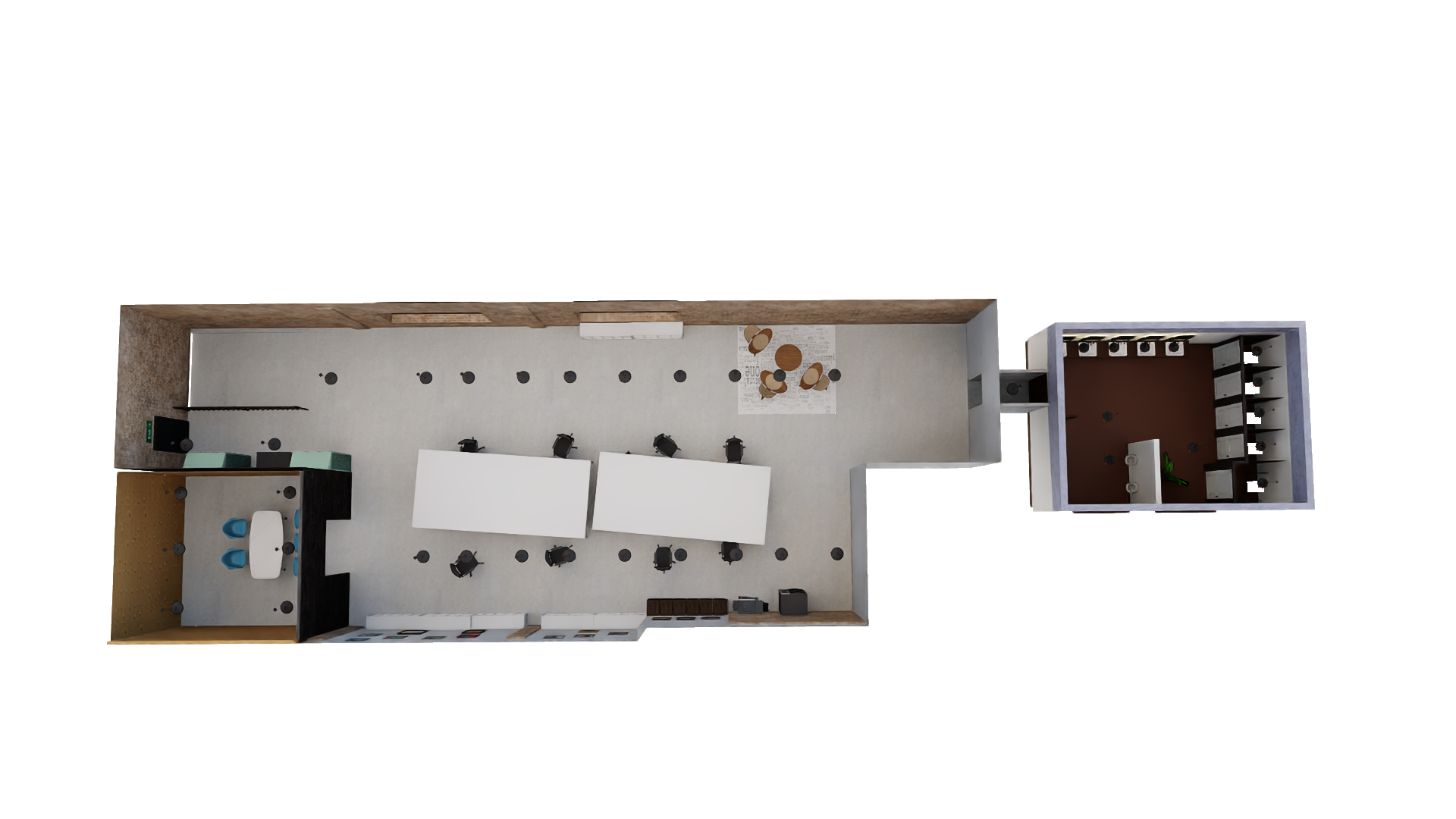
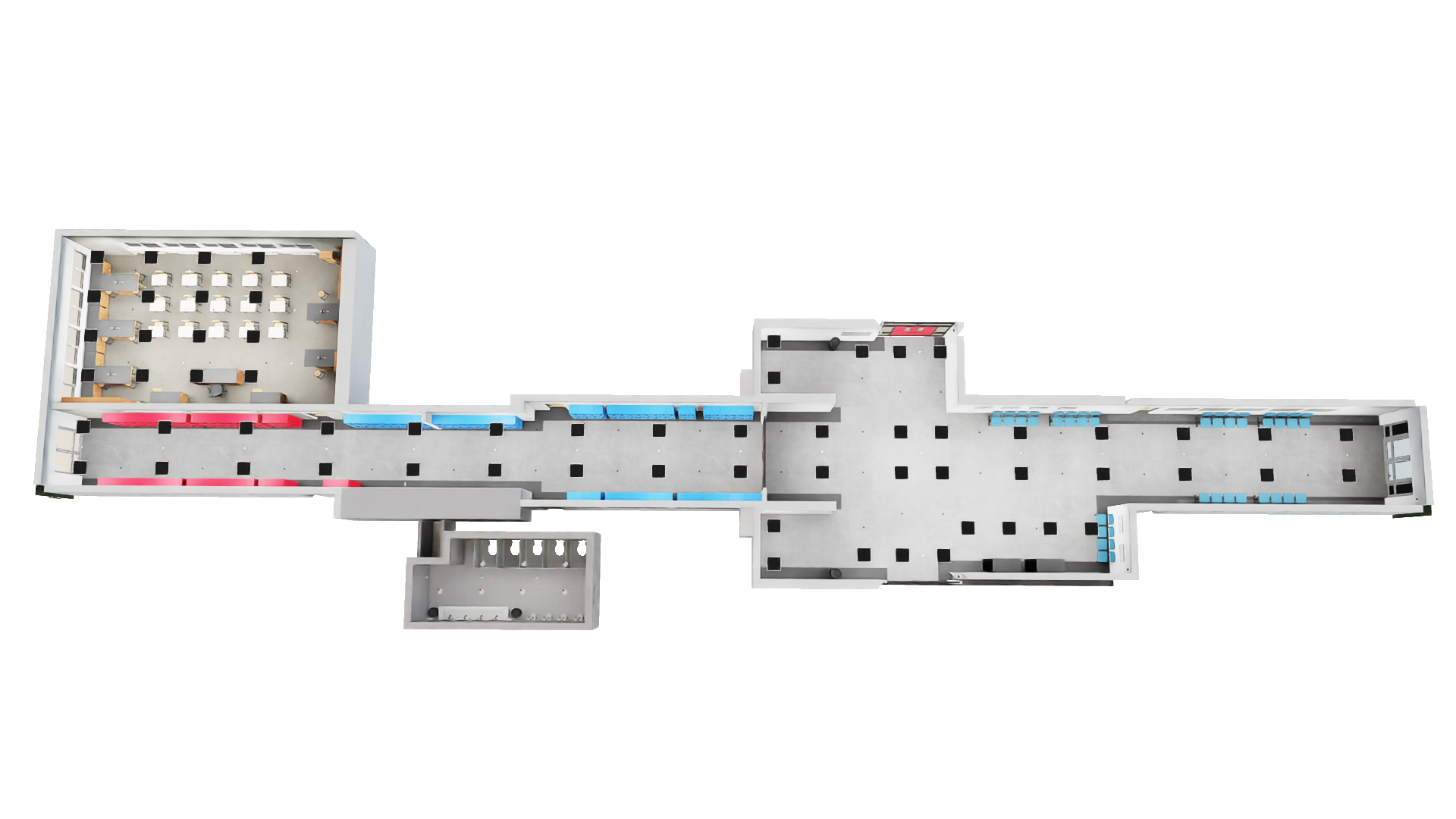
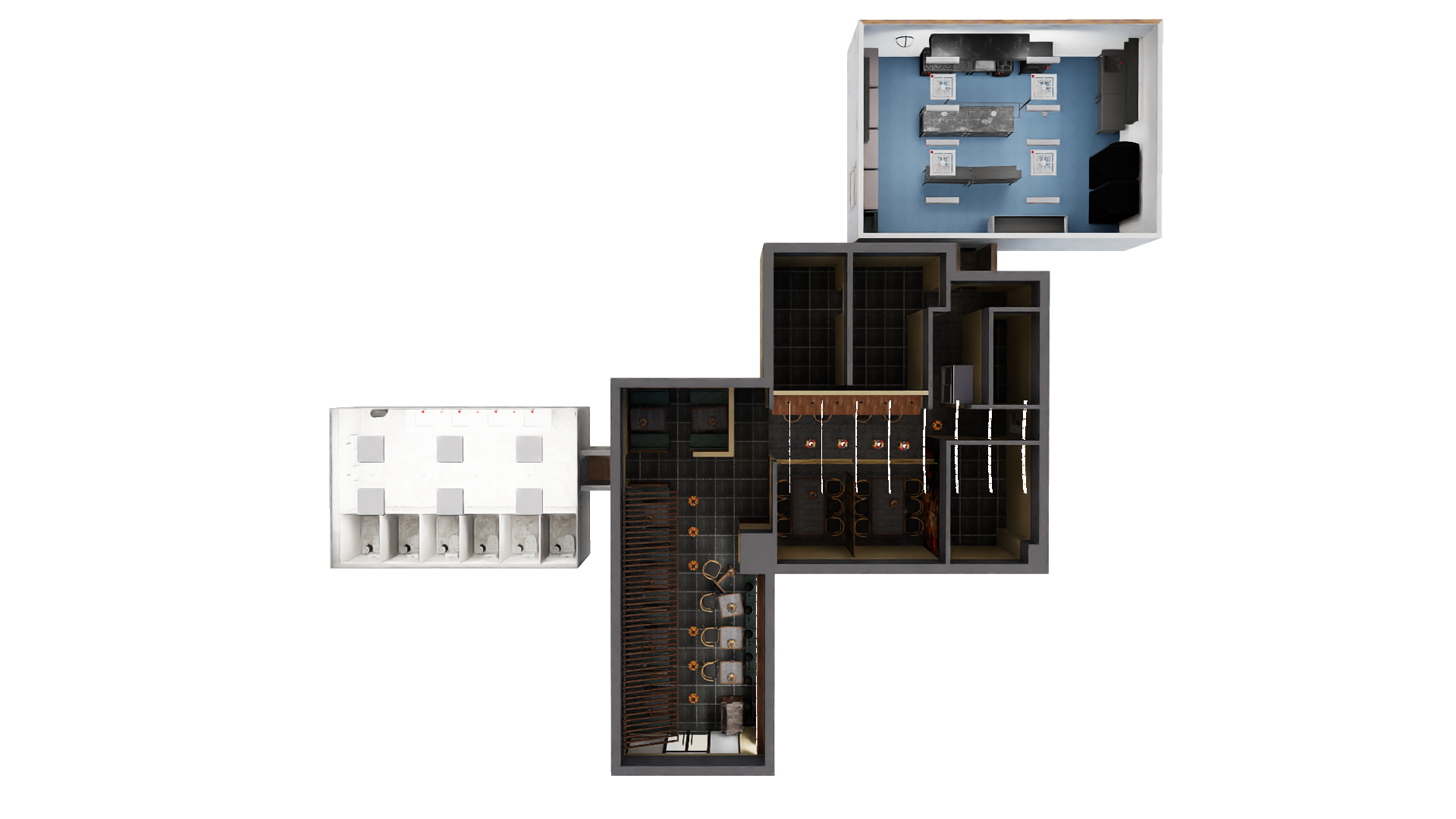
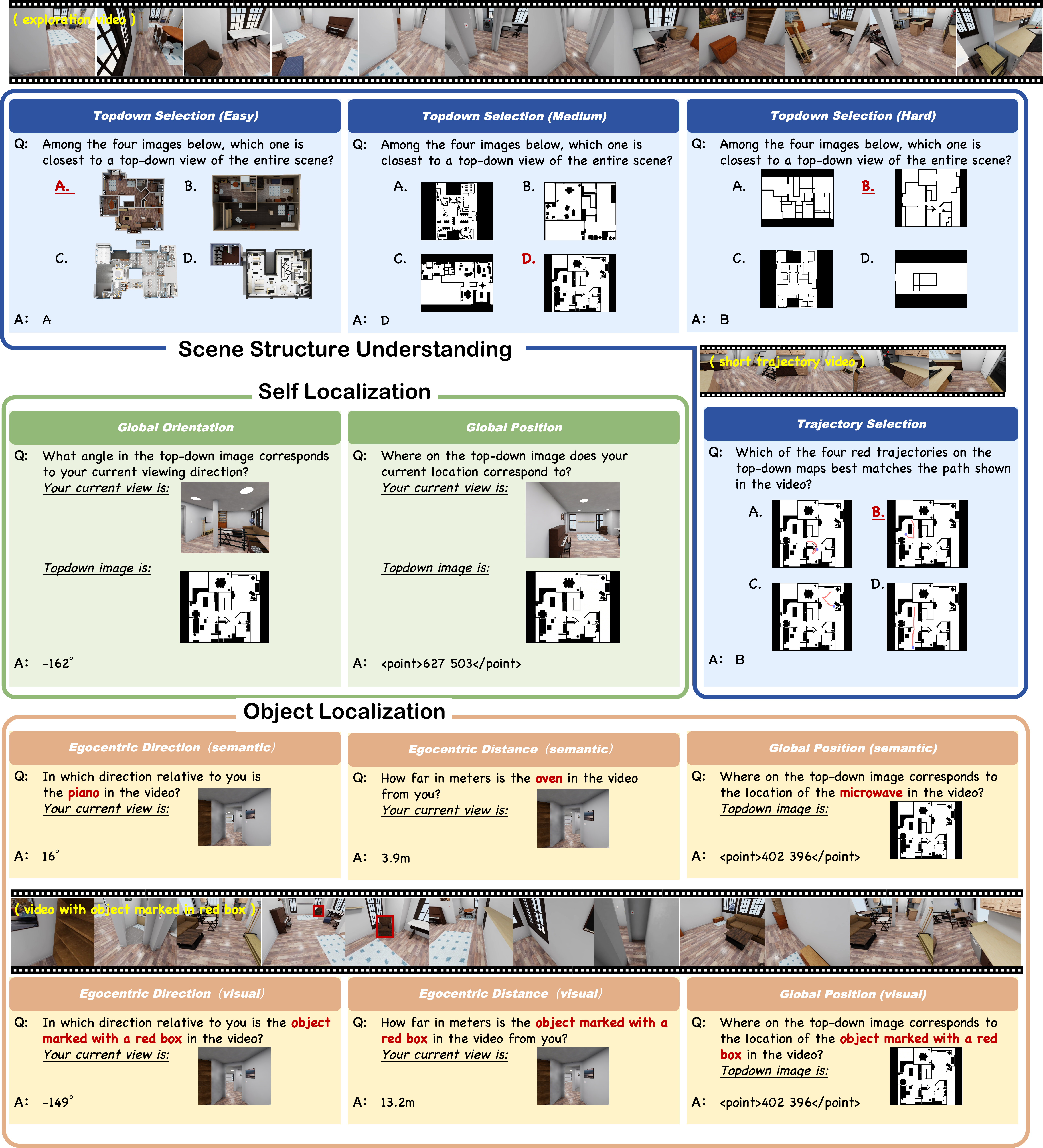
Top-down Selection (Easy)
Among the four images below, which one is closest to a top-down view of the entire scene? Please directly answer with the letter of the correct option.
Among the four images below, which one is closest to a top-down view of the entire scene? Please directly answer with the letter of the correct option.
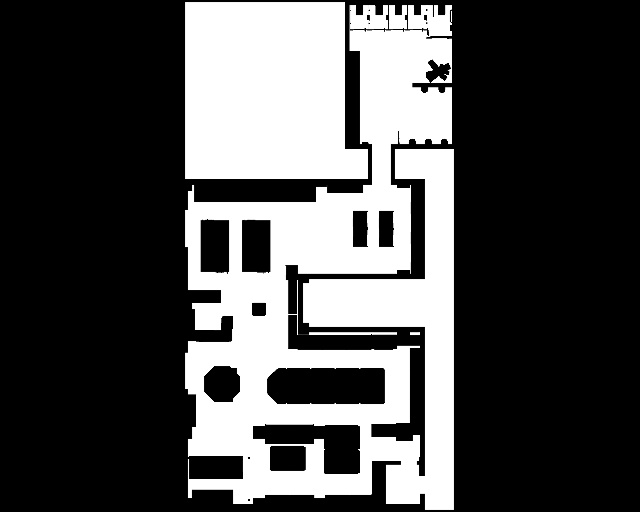
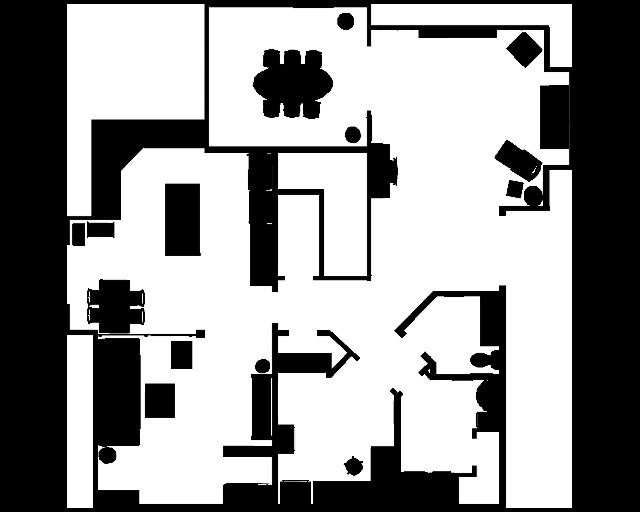
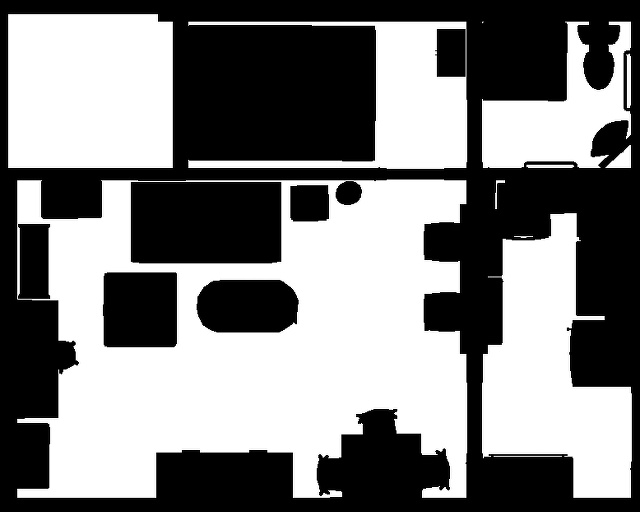
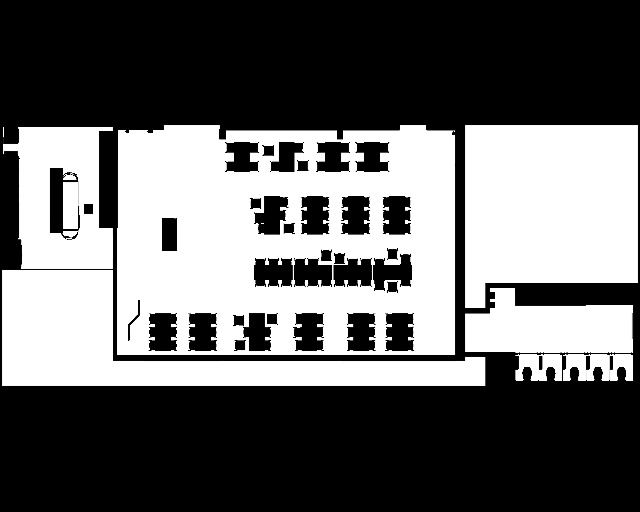
Among the four images below, which one is closest to a top-down view of the entire scene? Please directly answer with the letter of the correct option.
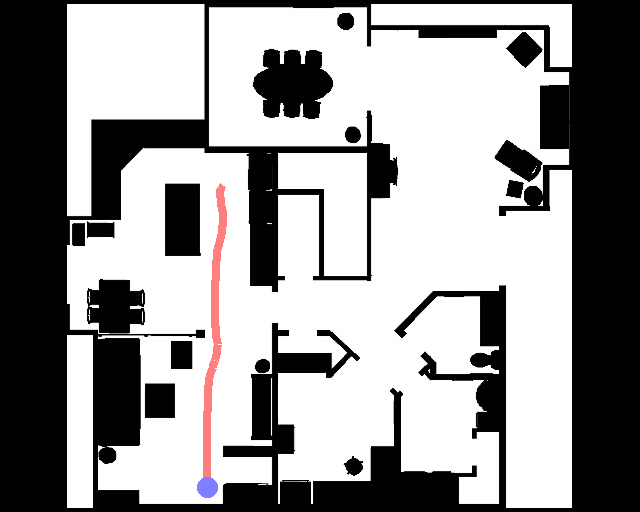
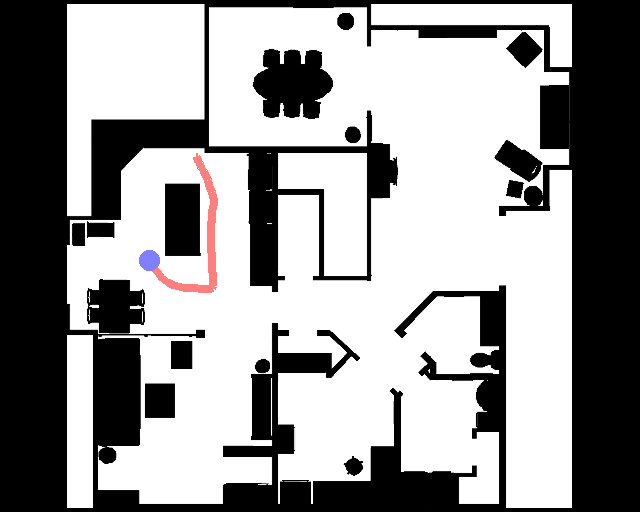
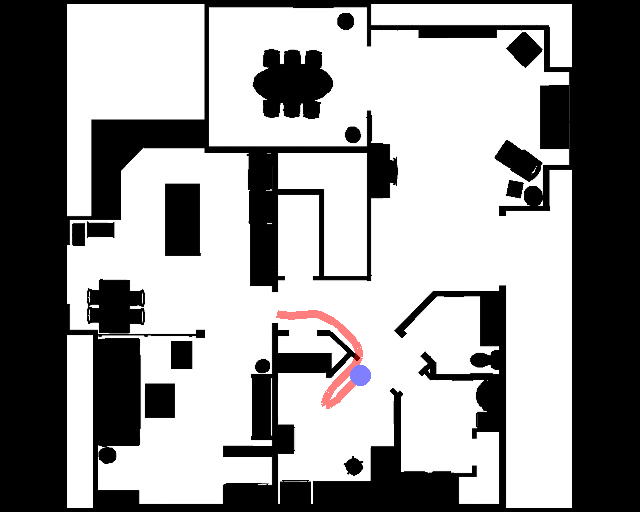
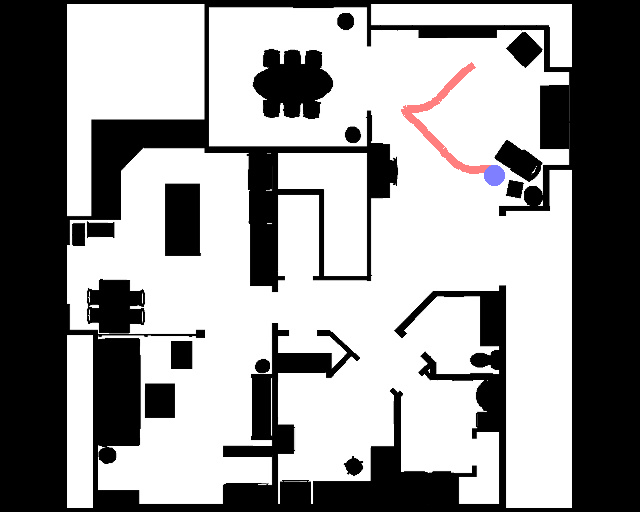
Which of the four red trajectories on the top-down maps best matches the path shown in the video? Note that the blue dot marks the starting point of each trajectory. Please directly answer with the letter of the correct option.
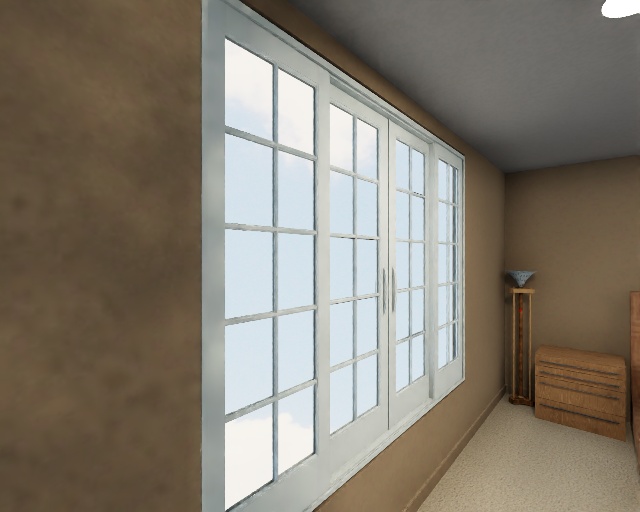
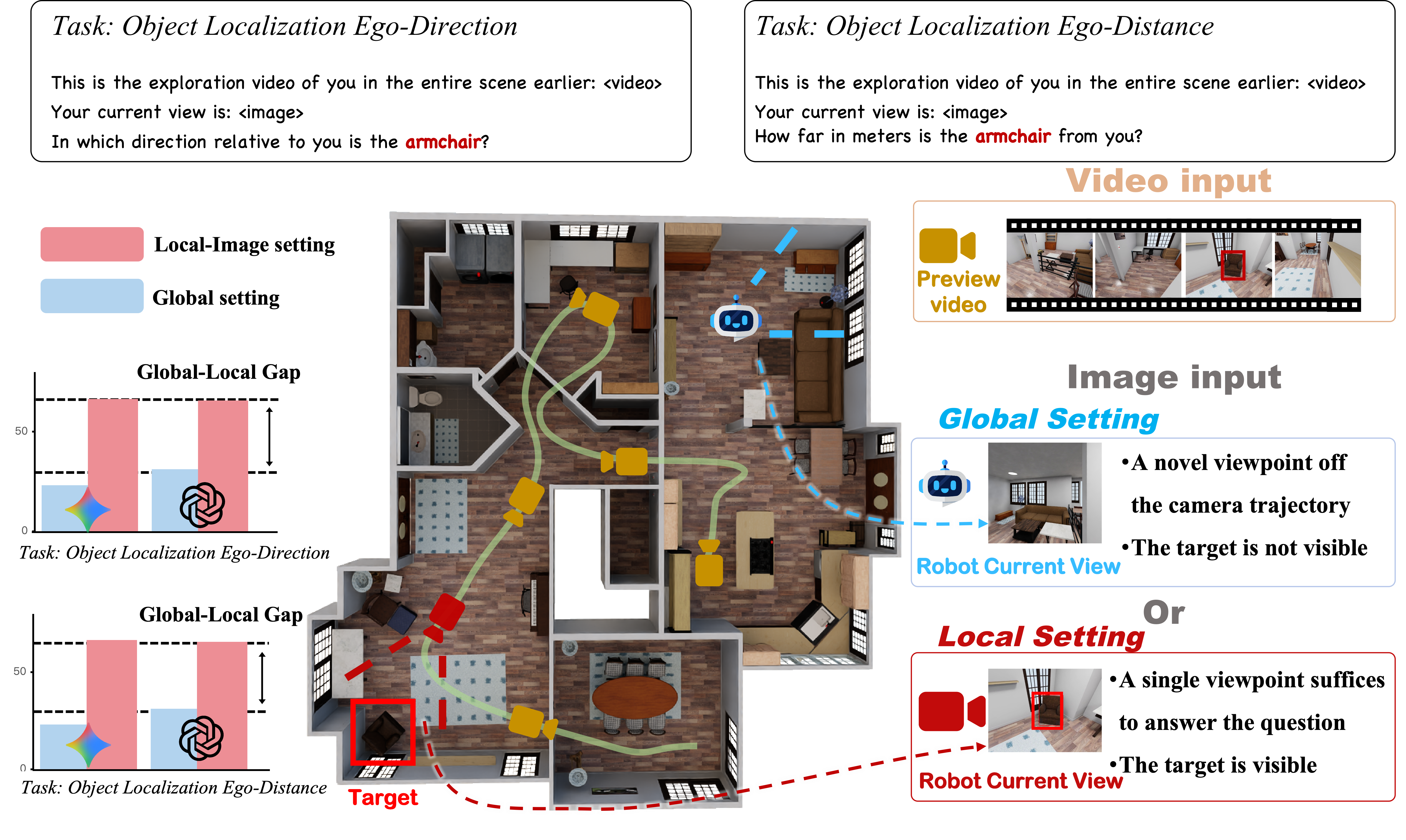
In which direction relative to you is the object marked with a red box in the video? Taking your current viewing direction as 0°, with left turns being positive, please only give the angle as an integer between –180° and 180°, without the "°" symbol.
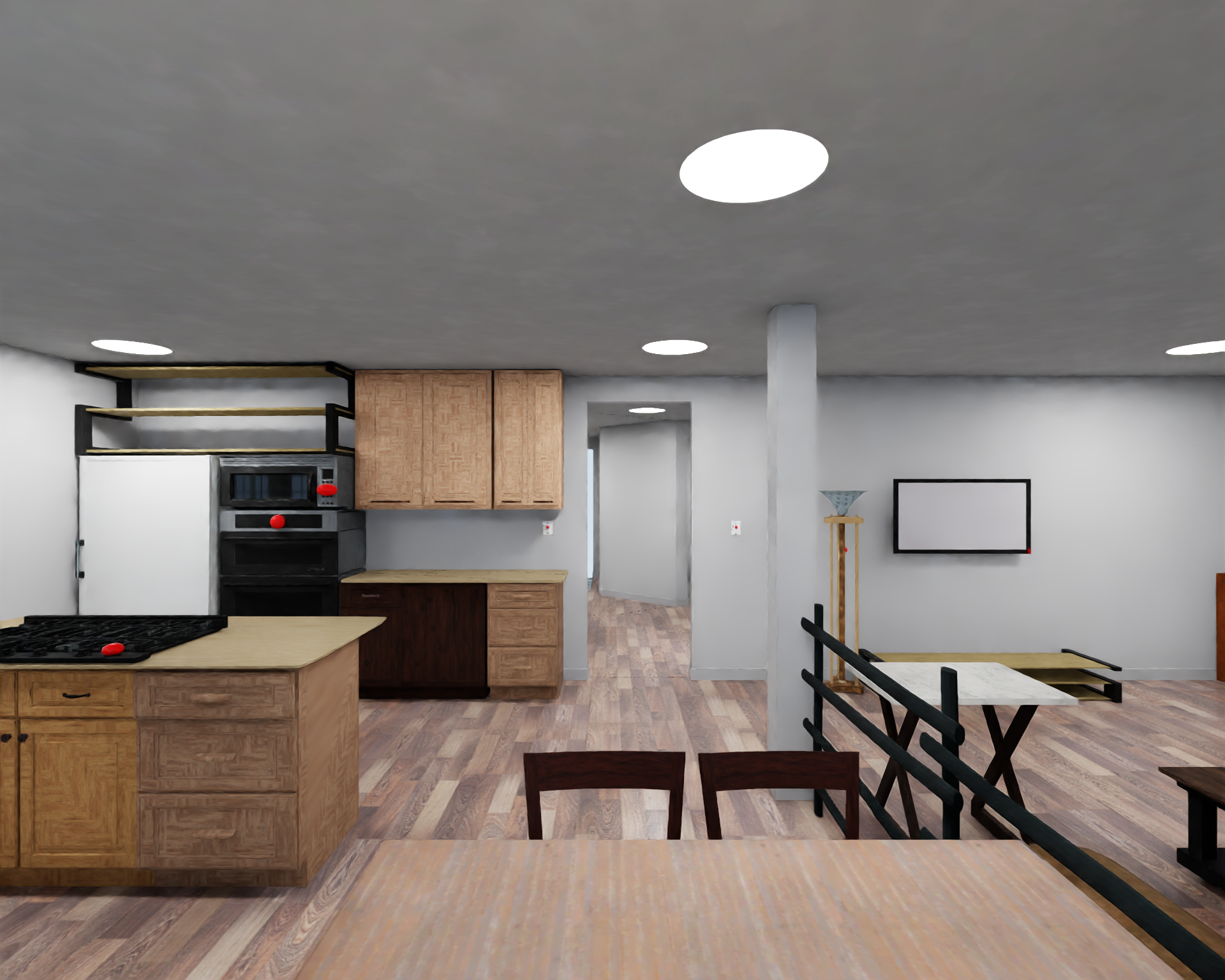
How far in meters is the object marked with a red box in the video from you? Answer only with a number rounded to one decimal place, without the "m" suffix.
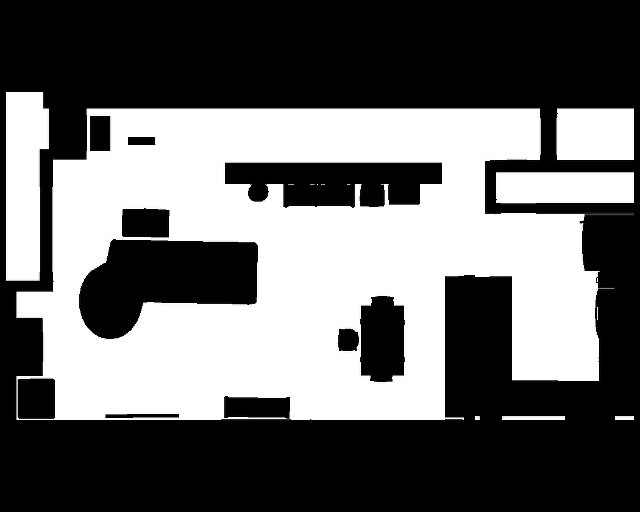
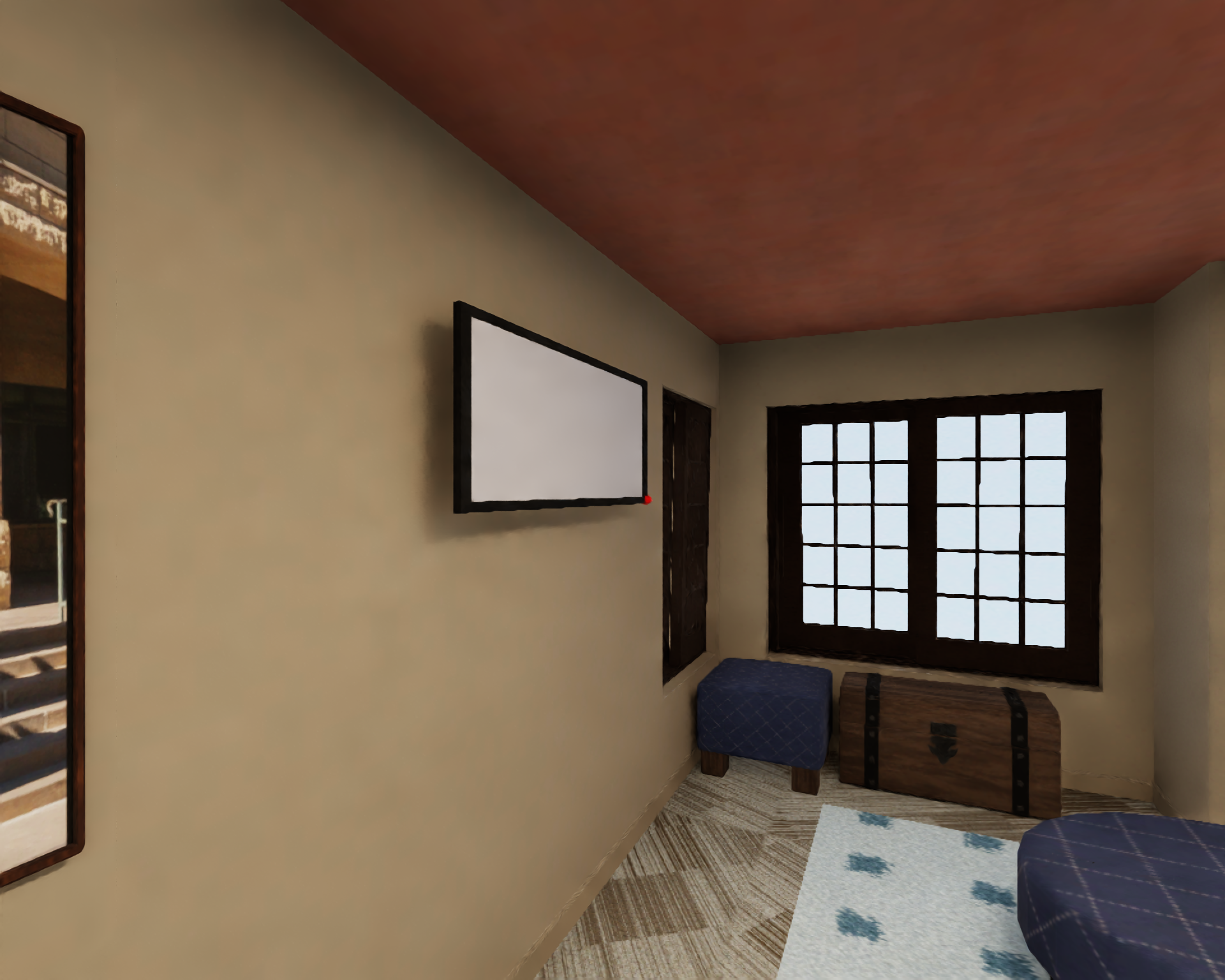
Where on the top-down image does your current location correspond to? Please provide coordinates normalized to the range [0, 999], with the x-axis pointing to the right of the top-down image and the y-axis pointing to the bottom of the top-down image. Please provide the answer directly in the format <point>x y</point>.
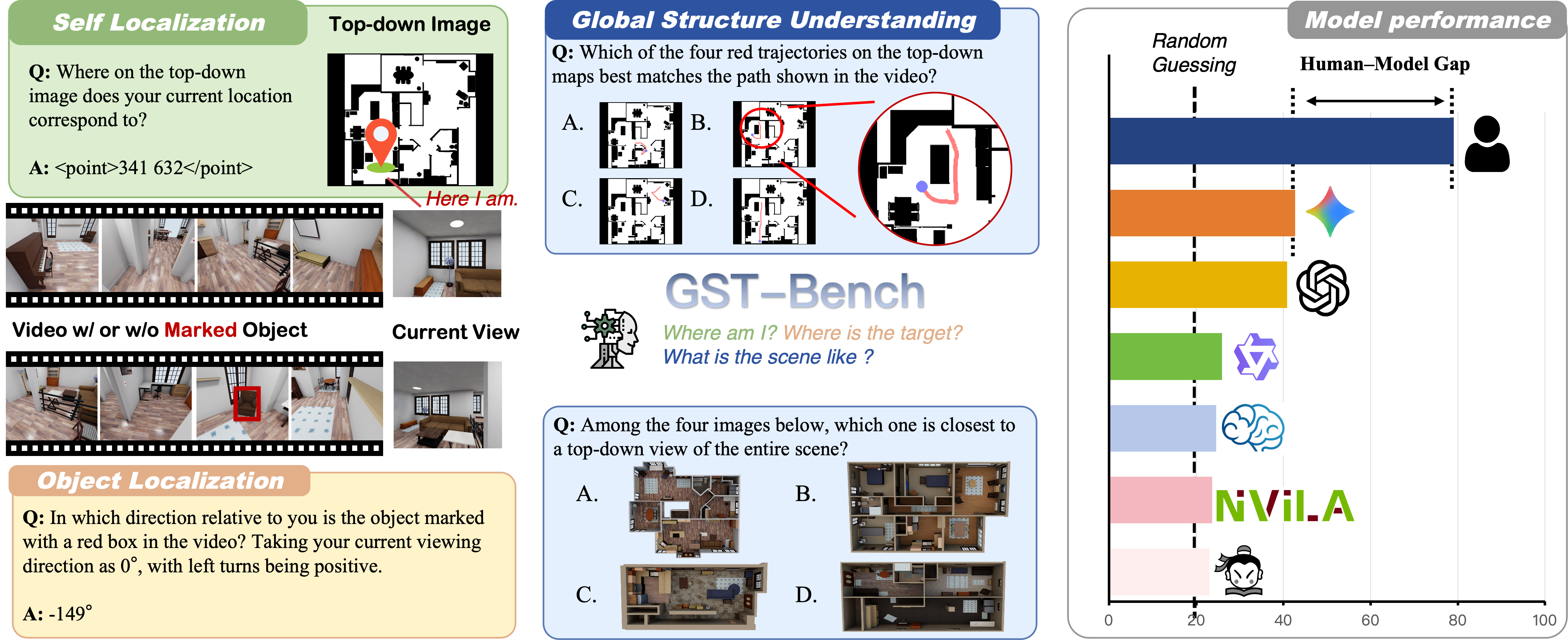
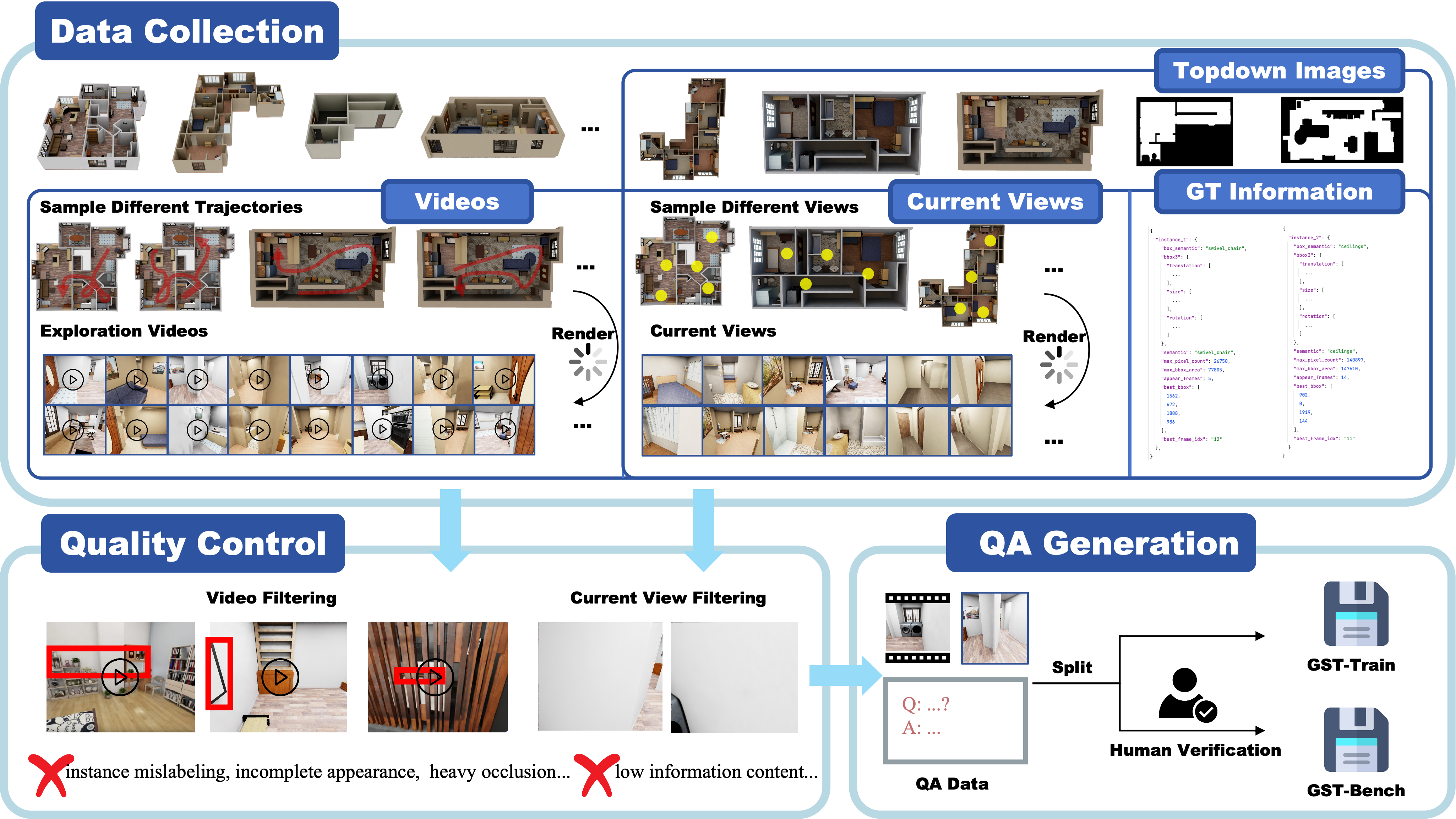
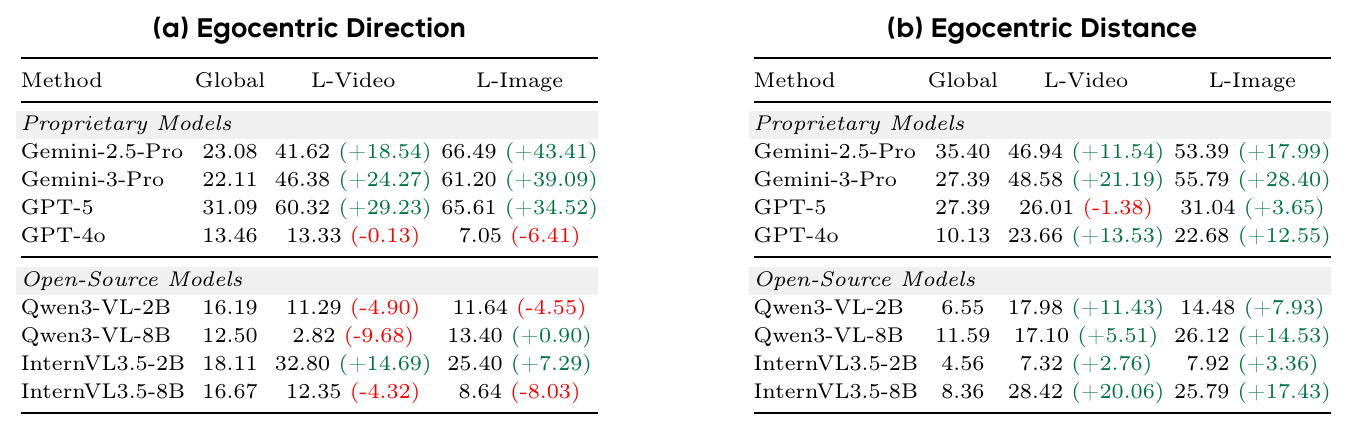
Spatial intelligence is fundamental to embodied agents, yet existing benchmarks focus on local spatial perception from single or few viewpoints, overlooking global spatial awareness over continuous, long-horizon visual streams. To address this limitation, we introduce the Global-Spatial-Temporal Benchmark (GST-Bench), a VQA benchmark for global spatial intelligence in video understanding, comprising human-verified questions derived from 6,790 minutes of synthetically generated video. It requires models to perform accurate spatial inference from novel viewpoints unseen in the input video and to map egocentric observations onto global top-down images. A comprehensive evaluation of 22 state-of-the-art VLMs exposes a striking gap between models and humans: the strongest zero-shot model attains only 42.68, far below the human score of 79.08. To probe the cause of this gap, we construct GST-Bench-Local and find that models, despite strong local spatial understanding under the same task formulation, still fail to consolidate long-horizon observations into a globally consistent scene representation. We further provide GST-Train, a dataset for global spatial reasoning, as a complementary resource to facilitate future research on this challenge.
Select the average score, the complete task breakdown, or an individual subtask. Rankings update automatically for the selected view.
Abbreviations: ED = Egocentric Direction, EDist = Egocentric Distance, GP = Global Position, Pos = Self Position, Ori = Self Orientation, TDS = Top-Down Selection, and Traj = Trajectory Selection. Subscripts v and s denote visual and semantic variants.
Loading leaderboard data…
@article{zhang2026gstbench,
  title={GST-Bench: Can VLMs Develop Global Spatial Awareness from Video?},
  author={Zhang, Qifeng and Huang, Kaixiang and Dong, Heng and Fang, Huang and Chen, Junting and Zhu, Junjie and Chen, Yonghang and Zhang, Zhiyu and Li, Wei},
  journal={arXiv preprint arXiv:2608.05747},
  year={2026},
  url={https://arxiv.org/abs/2608.05747}
}